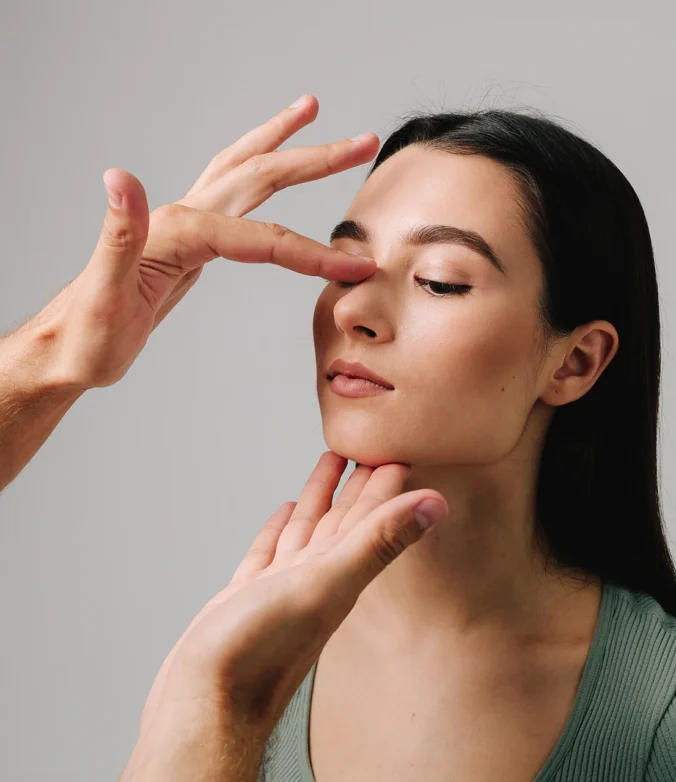
Your nose plays a starring role in your face, so it makes sense that you’d want it to look and function its best. Rhinoplasty can address everything from that bump you’ve always disliked to chronic breathing problems that affect your sleep and daily activities. The key is understanding whether you need cosmetic improvements, functional corrections or both.

Many people don’t realize that rhinoplasty isn’t just about changing a nose’s appearance. This sophisticated procedure can also solve real medical issues that impact quality of life. Understanding the distinction between cosmetic and functional rhinoplasty will help you decide which approach best serves your needs.

What Is Cosmetic Rhinoplasty?

Cosmetic rhinoplasty focuses primarily on improving the visual appearance of your nose. This procedure can reshape various aspects of nasal structure to create better facial harmony and boost your confidence. Common aesthetic concerns addressed through cosmetic rhinoplasty include a prominent nasal hump, a drooping or upturned tip, wide nostrils or asymmetry that affects your overall facial balance.

Dr. Robey carefully sculpts the nasal cartilage and bone during cosmetic rhinoplasty to achieve your desired aesthetic outcome. The procedure can make your nose appear smaller, straighter or more proportionate to your other facial features. Many patients seek cosmetic rhinoplasty to address concerns they’ve had since adolescence or to refine their nose after injury.

The transformative power of cosmetic rhinoplasty extends beyond simple size reduction. Advanced techniques allow for precise adjustments to the nasal tip, bridge width, nostril shape and overall projection. These modifications work together to create a nose that looks natural while significantly enhancing your facial aesthetics.

Understanding Functional Rhinoplasty

Functional rhinoplasty addresses structural problems within your nose that impair breathing. This medically necessary procedure corrects issues like a deviated septum, enlarged turbinates or nasal valve collapse that restrict airflow through your nasal passages.

A deviated septum occurs when the thin wall separating your nasal passages shifts to one side, blocking airflow and causing chronic congestion. Enlarged turbinates, which are small structures inside your nose that help filter and humidify air, can swell and obstruct breathing passages. Nasal valve collapse happens when the narrowest part of your nasal airway weakens and closes during inspiration.

Patients with functional breathing problems often experience chronic nasal congestion, frequent sinus infections, snoring, sleep disruption and reduced exercise tolerance. Functional rhinoplasty can dramatically improve these symptoms while potentially enhancing your nose’s appearance as a secondary benefit.

Combining Form and Function

Many patients benefit from combining cosmetic and functional improvements in a single procedure. This comprehensive approach simultaneously addresses breathing difficulties and aesthetic concerns, maximizing your surgical investment while minimizing recovery time.

Dr. Robey’s unique qualifications as a board-certified otolaryngologist and facial plastic surgeon make her exceptionally qualified to perform functional and cosmetic rhinoplasty. Her dual expertise allows her to optimize nasal function while achieving beautiful aesthetic results that look entirely natural.

When combining procedures, Dr. Robey carefully plans each modification to support both improved breathing and enhanced appearance. This integrated approach often produces superior results compared to separately addressing functional and cosmetic concerns.

Your Rhinoplasty Journey: Consultation Through Recovery

Request Your Consultation

01 - Initial Consultation Phase

Your rhinoplasty journey begins with a comprehensive consultation where Dr. Robey evaluates both your aesthetic goals and any breathing concerns. She examines your nasal structure externally and internally, often using specialized instruments to assess your nasal passages and identify any functional problems.

During this visit, Dr. Robey discusses your medical history, current medications and any previous nasal surgeries or injuries. She uses advanced imaging technology to help you visualize potential outcomes and understand exactly how your procedure will be tailored to your unique anatomy.

This consultation phase includes detailed discussions about your expectations, surgical techniques, recovery timeline and potential risks. Dr. Robey takes time to answer all your questions, providing you with the information needed to make a confident decision about proceeding with surgery.

02 - Surgical Procedure Details

Rhinoplasty is typically performed as an outpatient procedure under general anesthesia. The surgery usually takes two to four hours, depending on the complexity of your case and whether you’re having both functional and cosmetic improvements.

Dr. Robey may use either an open or closed surgical approach. The open technique involves a small incision across the columella (the tissue between your nostrils), providing maximum visibility and precision for complex cases. The closed technique uses incisions hidden inside your nostrils, leaving no external scarring but offering more limited access for extensive modifications.

During surgery, Dr. Robey carefully reshapes your nasal cartilage and bone while preserving or improving nasal function. She may remove excess tissue, adjust cartilage position, straighten your septum or reduce turbinate size as needed. The precise techniques used depend on your anatomy and desired outcomes.

03 - Recovery and Healing Process

Your recovery from rhinoplasty typically unfolds in several predictable stages. The first week focuses on rest and initial healing, with most patients experiencing some swelling, bruising and nasal congestion. For about a week, you’ll wear a protective splint on your nose to support the new structure during initial healing.

Most patients return to work and light activities within seven to 10 days, though you’ll need to avoid strenuous exercise and contact sports for several weeks. Swelling gradually subsides over several months, with most improvement visible within six to eight weeks.

Final results from rhinoplasty continue to refine for up to a year as residual swelling completely resolves and tissues settle into their new position. Dr. Robey monitors your progress through regular follow-up appointments, providing guidance and support throughout your healing journey.

Common Concerns About Rhinoplasty

Scarring Considerations

One of the most frequent concerns about rhinoplasty involves visible scarring. When Dr. Robey uses the closed technique, all incisions remain hidden inside your nostrils, leaving no external scars. With the open approach, the small incision across the columella typically heals to a nearly invisible line that’s difficult to detect even upon close inspection.

Dr. Robey’s meticulous surgical technique and post-operative care instructions help minimize scarring regardless of which approach your procedure requires. Most patients find that any minor scarring is a worthwhile trade-off for the dramatic improvements in both appearance and function.

Managing Downtime Expectations

Recovery from rhinoplasty requires temporary lifestyle adjustments, but most patients find the downtime more manageable than initially expected. While you’ll experience some swelling and bruising, these effects typically peak around day three and begin improving steadily afterward.

For the first few days, you can expect to breathe through your mouth as your nasal passages heal. This temporary inconvenience resolves quickly as swelling subsides and internal structures settle. Many patients return to work within a week, though they may still have some residual swelling and bruising that makeup can easily conceal.

Understanding Potential Risks

Like any surgical procedure, rhinoplasty carries some inherent risks, which Dr. Robey discusses thoroughly during your consultation. These may include bleeding, infection, adverse reactions to anesthesia or temporary numbness around the surgical site.

Potential complications related to rhinoplasty include persistent swelling, asymmetry and, in rare cases, the need for revision surgery. Dr. Robey’s extensive experience and careful surgical technique help minimize these risks, while her comprehensive pre-operative evaluation identifies any factors that might increase your individual risk profile.

Transform Your Confidence with Expert Rhinoplasty

Whether you’re seeking to enhance your nose’s appearance, improve your breathing or address both concerns simultaneously, Dr. Robey’s unique combination of artistic vision and medical expertise delivers exceptional results. Her dual board certifications in facial plastic surgery and otolaryngology make her uniquely qualified to perform comprehensive rhinoplasty that optimizes both form and function.

Don’t let breathing problems or aesthetic concerns about your nose affect your confidence and quality of life. Schedule your personalized consultation with Dr. Robey today to explore how expert rhinoplasty can help you achieve your goals and enhance your natural beauty.

Schedule a Consultation

Frequently Asked Questions

How long do rhinoplasty results last?

Rhinoplasty creates permanent structural changes to your nose. While you’ll continue to age naturally and some subtle changes may occur over decades, the fundamental improvements from your surgery remain stable throughout your lifetime.

Will rhinoplasty affect my ability to smell or taste?

Temporary changes in smell and taste can occur immediately after surgery due to swelling and nasal congestion. These senses typically return to normal as healing progresses. In cases of functional rhinoplasty that improve airflow, many patients experience enhanced smell and taste.

Can I wear glasses after rhinoplasty?

You’ll need to avoid wearing glasses that rest on your nasal bridge for about six weeks after surgery. Dr. Robey provides specific guidance about when you can safely resume wearing glasses and may suggest temporary alternatives like contact lenses during your recovery.

How do I know if I need functional rhinoplasty?

Signs that you might benefit from functional rhinoplasty include chronic nasal congestion, frequent sinus infections, loud snoring, difficulty sleeping or reduced ability to exercise due to breathing problems. Dr. Robey can evaluate your nasal function to determine if structural corrections would improve your breathing.

Still have questions?

Feel free to give us a ring with our information below or leave us an online message, we will gladly answer further questions.

Call 317.721.7110

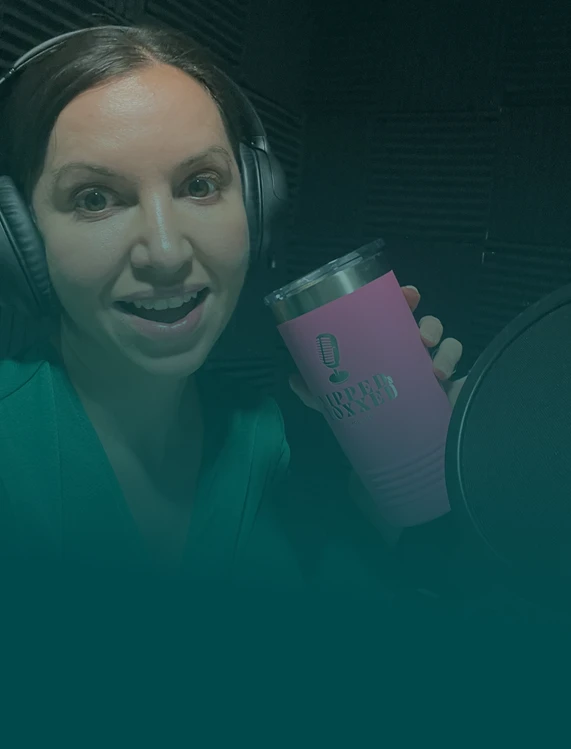
NIPPED & TOXXED Podcast: Mic Check!

Real Talk on Plastic Surgery, Aesthetics & Regenerative Medicine

Ever wondered what actually happens behind the scenes of plastic surgery and aesthetics? Dr. Ashley Robey is here to spill the tea! From the latest beauty treatments to the science of aging gracefully, she breaks it all down—no fluff, no filters, just real talk. Whether you’re thinking about a little enhancement, a major transformation, or just want to stay in the know, this is the podcast for you.

Learn More

Health & Wellness

As part of Robey Plastic Surgery & Regenerative Medicine, Live Better MD offers personalized anti-aging and regenerative medicine services—including hormone optimization, weight-management support, and wellness coaching—to help you feel youthful, energized, and balanced at every stage of life.

Visit Site: Live Better MD Health & Wellness

Take the Next Step Toward Feeling Confident Again

Your body, your confidence, your choice. Let Dr. Robey and her team help you achieve the look you desire with compassionate, expert care. Schedule your personalized consultation today and discover how we can support your renewed confidence and beauty journey.