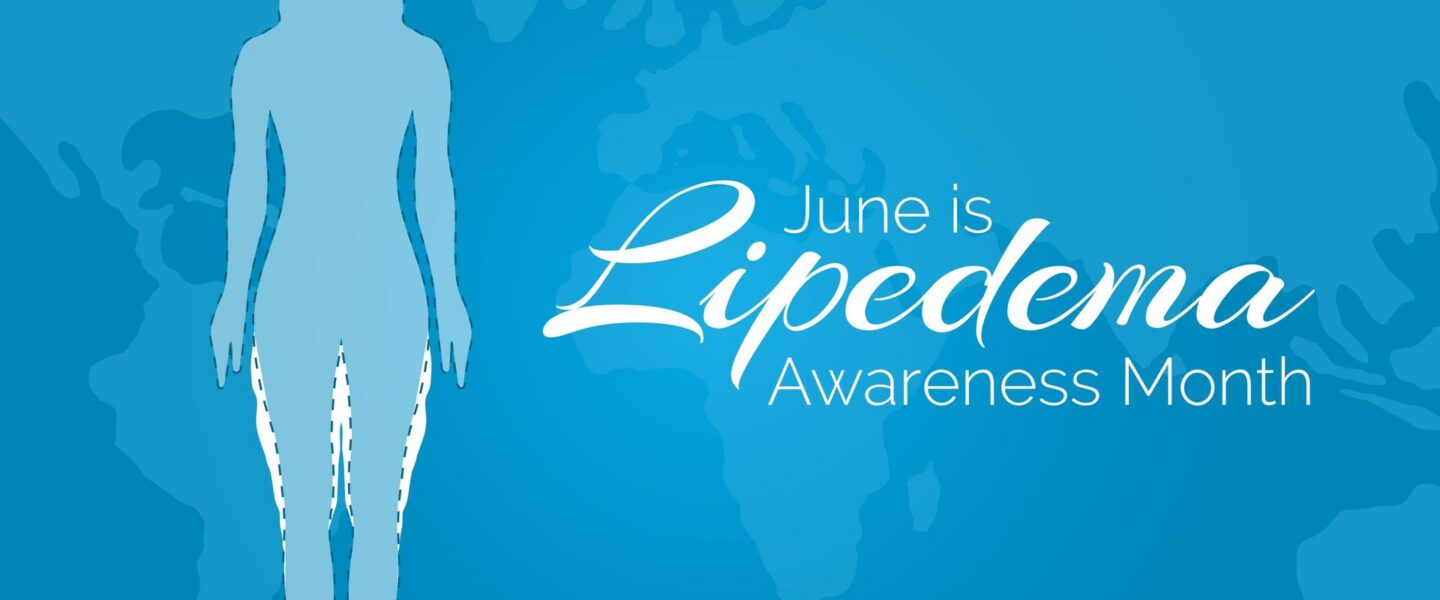
While ordinary fat may respond to efforts like a healthy diet and more movement, some fat is resistant for reasons beyond lifestyle. Some excess fat is related to a condition called lipedema. For these patients, the usual methods do not work, and surgery may be the only way to remove this tissue. At Robey Plastic Surgery & Regenerative Medicine, Dr. Ashley Robey offers liposuction to remove fat due to lipedema, serving patients in Carmel, IN, and the surrounding areas.
What Is Lipedema?
Lipedema is a chronic adipose tissue disorder that almost exclusively affects women (rare cases have been reported in men) and affects the legs, hips, buttocks and sometimes arms. An article published by the Archives of Plastic Surgery defines lipedema as progressive and characterized by symmetrical, painful fat accumulation that spares the hands and feet. It is often misdiagnosed as obesity, which adds to the frustration of patients struggling with this condition.
What Makes Lipedema Fat Different From Normal Fat?
Lipedema tissue multiplies faster than regular fat. The fat cells also have a distinct chemical composition with differences in lipid types and metabolites compared to non-lipedema fat. Because of these differences, the fat can grow even with weight loss elsewhere, and there may be nodules or lumps under the skin.
The Stages of Lipedema
Lipedema is progressive. Recognizing the stage you are in is a critical part of determining the most appropriate treatment. This condition is generally classified into four stages based on skin texture, fat distribution and mobility impact:
- Stage 1: The skin is still smooth, but the fat layer underneath is thickened and feels soft or slightly spongy. Swelling can come and go throughout the day, and the disproportion between the upper and lower body may start to be more noticeable.
- Stage 2: The skin starts to develop an uneven, dimpled texture, like the surface of a mattress. Nodules ranging from pea-sized to larger masses can be felt within the fat, and there is often more tenderness.
- Stage 3: Large, lobular extrusion of fat develops, particularly around the inner thighs and knees. These growths can interfere with walking, cause chafing and make movement increasingly painful and uncomfortable.
- Stage 4: Also called lipo-lymphedema, this stage occurs when lipedema progresses to involve the lymphatic system. Fluid retention compounds the fat accumulation, and mobility is significantly reduced.
Why Calorie Restriction and Exercise Do Not Help
Ordinary fat shrinks when the body burns more energy than it takes in. Lipedema fat does not behave this way. Because the affected tissue contains fibrosis, abnormal vasculature and metabolically resistant fat cells, calorie deficits reduce fat in unaffected areas instead, like the abdomen, face and chest, while leaving the lipedema-affected limbs disproportionately large.
Signs of Lipedema
Several features distinguish lipedema from other conditions affecting the limbs, including:
- Disproportionate Fat Distribution: The lower body appears much larger than the upper body.
- Bilateral and Symmetric Presentation: Both legs (or both arms) are affected equally, unlike one-sided swelling seen in lymphedema or injury.
- Pain and Tenderness on Pressure: Affected tissue often feels sore, achy or sensitive even with light touch, especially later in the day.
- Easy Bruising: Fragile capillaries within lipedema tissue cause bruises to form from minor bumps.
- Flat Feet and Ankle Cuffing: Fat accumulates above the ankle and stops abruptly, creating a distinct cuff where the foot looks normal. The weight of the chronic fat can cause the feet to be flat.
- Worsening at Hormonal Transitions: Symptoms may intensify during puberty, pregnancy, perimenopause or menopause due to estrogen-related changes.
How Is Lipedema Diagnosed?
Diagnosis is based on physical examination and a detailed review of symptoms, family history and how the condition has progressed. Dr. Robey assesses fat distribution, tenderness, bruising patterns and the characteristic sparing of the hands and feet. Imaging is not usually required, but may be used to rule out lymphedema or venous disease.
Non-Surgical vs. Surgical Lipedema Treatment
Conservative management is often the foundation of lipedema care. It can include compression garments, manual lymphatic drainage, anti-inflammatory nutrition, low-impact exercise and gentle skin care. These treatments can ease discomfort and slow the progression of the disease, but they cannot remove the abdominal fat itself. If the disease has advanced, surgical intervention, along with these conservative methods, may be the best way to reduce symptoms. Liposuction is the gold standard surgery for volume reduction with lipedema.
What Is Liposuction for Lipedema?
Lipedema liposuction is a type of surgery focused on reducing diseased fat from the affected limbs. The goal is to relieve the physical burden of the excess fat by removing it using suction technology.
Lipedema Liposuction vs. Traditional Liposuction
Liposuction Goals
Cosmetic liposuction is more focused on aesthetics than lipedema reduction surgery. While Dr. Robey still considers the appearance of the limbs during lipedema surgery, the main aim is to relieve pain and improve mobility while slowing disease progression as much as possible.
Volume and Scope
Cosmetic liposuction addresses isolated areas, removing modest fat volumes, often in multiple areas. Lipedema fat removal often requires treating larger regions, such as both legs or arms. Some procedures may need to be staged across multiple sessions to address the full amount of diseased tissue.
Technique
Lipedema tissue contains delicate lymphatic vessels that need to be avoided when performing liposuction. Lymph-sparing liposuction for lipedema seeks to remove the fat without disrupting lymphatic vessels. Dr. Robey uses techniques to break up the fibrous tissue with less trauma to the surrounding structures, helping to preserve lymphatic flow.
After Lipedema Liposuction
The first few days after lipedema liposuction may involve some drainage of tumescent fluid from the area, along with swelling that gradually subsides. Bruising and soreness peak within the first week and can be managed with prescription or over-the-counter medications.
Most light activities can be resumed within one to two weeks, but more intense types of exercise will need to be reintroduced gradually over the following month with clearance from Dr. Robey. Manual lymphatic drainage is helpful during the healing phase to reduce swelling and improve comfort. Final results become more apparent over the next three to six months as the tissues settle. Staying hydrated and eating anti-inflammatory foods contribute to a smoother recovery.
Lipedema Surgery vs. Weight Loss: Which Is Right for You?
At Robey Plastic Surgery, we offer both liposuction and weight loss programs. Weight loss injections, like semaglutide and tirzepatide, are for patients with traditional fat pockets in areas like the abdomen, thighs, flanks or arms where the fat has a normal structure. Lipedema surgery is appropriate for those with abnormal fat growth in their legs or arms.
Who Is a Good Candidate for Lipedema Liposuction?
Not every patient with lipedema is ready for surgery. Good candidates typically share these characteristics:
- A confirmed lipedema diagnosis: Symptoms need to be distinguished from obesity or lymphedema before moving forward with surgery.
- Persistent symptoms despite conservative care: Treatments like compression, lymphatic drainage and lifestyle adjustments have been tried but are no longer providing relief.
- Stable overall health: Candidates for liposuction need to be free of uncontrolled medical conditions that could complicate the surgery or recovery.
- Commitment to post-surgical care: Wearing compression garments and attending your follow-up appointments contribute to lasting results.
What to Expect From Liposuction for Lipedema at Robey Plastic Surgery
Each lipedema removal procedure will begin with a consultation, where Dr. Robey evaluates the affected limbs and creates a treatment plan. During the surgery, a mixture of saline, local anesthetic and epinephrine is injected into the area to numb the tissues and minimize bleeding. Techniques like water-assisted liposuction for lipedema or power-assisted liposuction are lymph-sparing in the right hands. Once the surgery is done, you will wear compression garments for three to six weeks.
Is Lipedema Surgery Permanent?
The fat cells removed during lipedema surgery do not regenerate, which means the volume reduction is long-lasting when paired with healthy lifestyle habits. Lipedema itself, however, is a chronic condition, so ongoing maintenance through compression, anti-inflammatory nutrition, low-impact movement and follow-up care helps protect long-term results and minimize the chance of disease progression in untreated areas. Additional tumescent liposuction for lipedema may be needed to address continued fat growth.
Why Surgical Expertise and Credentials Matter for Lipedema Treatment
A lipedema procedure is not routine cosmetic liposuction. It requires a provider with deep anatomical knowledge and many years in the field. Dr. Ashley Robey is a quadruple board-certified plastic surgeon with over 20 years of experience and the only doctor worldwide with her unique combination of credentials. She was named one of Indy’s Top Plastic Surgeons in 2022, 2023 and 2024.
Taking the Next Step With Robey Plastic Surgery in Carmel, IN
Lipedema is a condition that deserves more recognition and an accurate diagnosis. To learn more, you can ask Dr. Robey about lipedema surgery before and after pictures or schedule a consultation to explore whether lipedema surgery may be the right next step. Schedule a consultation online with Robey Plastic Surgery & Regenerative Medicine in Carmel, IN, or call 317-721-7110.